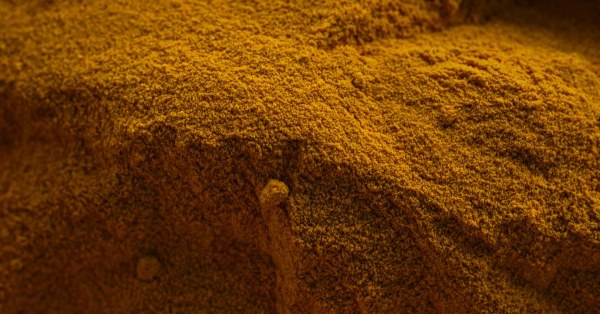
If you have ever stepped foot inside a hot-dip galvanizing plant, you have probably noticed that dull, crusty layer forming right on top of the liquid bath. That residue is where zinc ash powder comes from. While it might look like basic industrial waste at first glance, anyone trying to keep operational costs low needs to understand what this material actually is and why it forms.
Why Does Zinc Ash Powder Form?
At its core, zinc ash powder builds up because molten metal naturally reacts with oxygen in the air. The second hot liquid zinc hits open air, it oxidizes on the spot, forming a thin, papery skim across the surface that gets thicker the longer the kettle stays hot.
Daily plant activity only speeds things up. Movement around the bath continuously breaks that delicate surface skin, exposing fresh liquid zinc to the surrounding air and forcing the oxidation process to start all over again.
What Is Inside Zinc Ash Powder?
Far from being simple dirt, zinc ash powder is a complex mixture of chemical compounds and trapped metals created during the dipping cycle. The vast majority of the mixture consists of zinc oxide (ZnO), which forms the instant hot liquid metal hits open air.
However, the real reason this byproduct is so valuable is the metallic zinc trapped inside; when operators skim the surface crust, a significant amount of pure, unoxidized metal gets pulled out along with it. You will also find traces of chlorides and flux residue carried over from the pre-dipping stage, as well as minor trace metal oxides like aluminum or iron depending on the specific alloy recipe used in the bath.
Why Managing This Byproduct Matters
Treating zinc ash like useless trash is essentially throwing money out the door. Because it retains such a high concentration of metallic zinc, smart plant operators collect, store, and sell this powder off to specialized recyclers and chemical manufacturers. These facilities extract the raw zinc to produce agricultural supplements, rubber additives, and specialized paints.
By keeping kettle temperatures strictly controlled and refining the skimming technique of your team, you can significantly reduce the excessive buildup of zinc ash powder on the bath. Less surface crusting means less trapped metal lost in the skimming process—keeping your zinc consumption efficient and your operating margins healthy.